
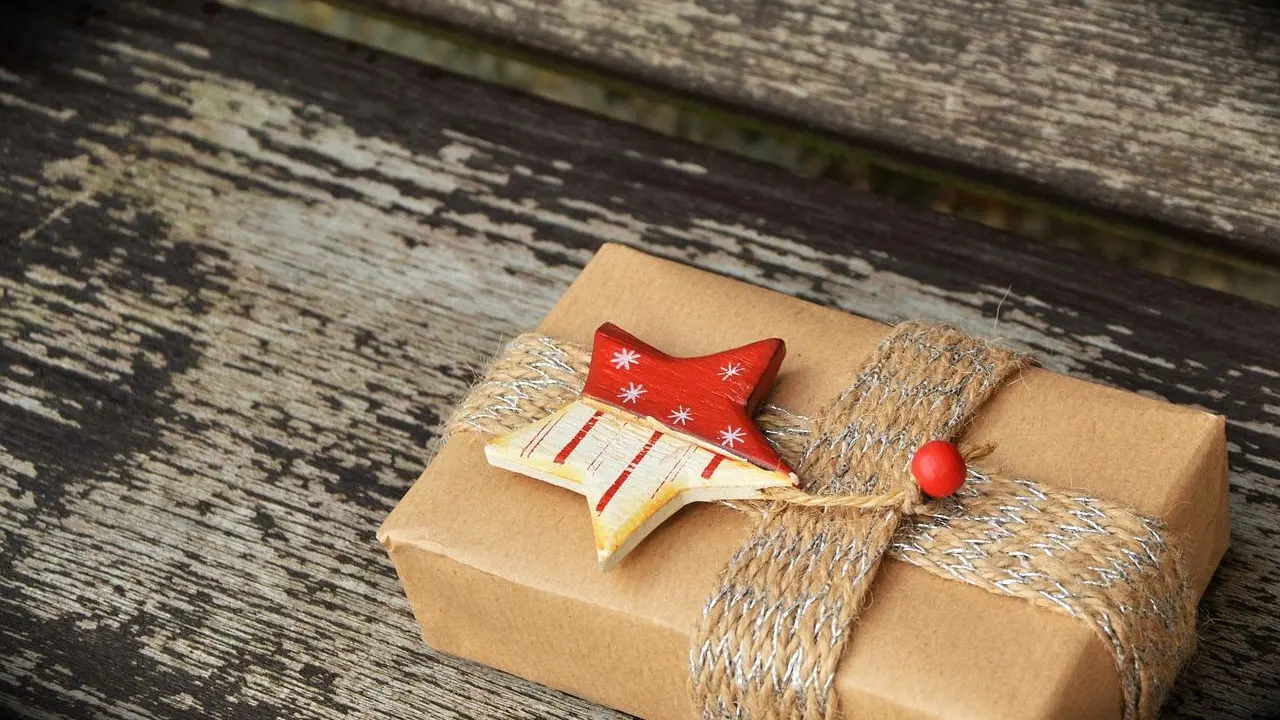
Worried about rewards you can’t afford to ship? The best crowdfunding reward ideas are simple: a digital entry tier, your core product, and a few light add-ons that fit in one box.
Rewards are one piece of a bigger plan, so read the wider guide to crowdfunding for creators alongside this one.
| Item | Value |
|---|---|
| Reward tiers most Kickstarter creators offer | 3-10 tiers |
| Rewards PrintNinja suggests offering | Four to six options |
| Digital-only entry tier | $1-$5 |
| Standard edition tier | $15-$30 |
| Extra revenue add-ons can bring | Often 10-20% beyond the campaign total |
These figures come from Kickstarter’s Help Center and PrintNinja’s reward guide. They can change, so check the sources before you rely on them.
Build a simple reward ladder first
Start with the product or creative work that inspired your campaign, then add only the steps a backer would actually want. Kickstarter says most creators offer 3-10 reward tiers, while PrintNinja recommends limiting your rewards to four to six relevant, manageable options.
PrintNinja’s price ladder, written for books and card games, is a handy starting template:
- $1-$5: digital-only or “follow along” tier.
- $15-$30: the standard edition of your product.
- $35-$60: a deluxe edition, or the product plus extras.
- $100+: collector’s edition, signed copies or limited bundles.
- $250+ (optional): an ultra-premium tier, such as custom art or your name in the credits.
The same guide notes that $25 has historically been the most popular reward level on Kickstarter. Treat that as a hint about where your main tier might sit, not a rule.
BackerKit advises that you keep pledge levels simple, because too many can overwhelm backers. It also suggests an all-in tier that consolidates every reward into one option, sorted to the top of your list. On Kickstarter, tiers are always sorted by price, but you can feature one tier at a time.

Digital rewards that cost almost nothing to deliver
BackerKit’s guidance is that digital options save on shipping and expand your global reach. That makes them the easiest digital rewards to fulfil, because there is no box, no weight and no customs form.
These ideas from PrintNinja work at low and mid price points:
- A thank-you email.
- A name on your website’s supporters page.
- A digital PDF, or a printable version of your product.
- Behind-the-scenes content.
- A private Discord channel.
- Early access to future projects.
- A livestream of your creative process.
One catch on Kickstarter: if a backer’s main tier is digital, they cannot increase their pledge with shippable add-ons. If you want backers to buy physical extras, make your digital tier a deliberate choice rather than the default.
Very small tiers split opinion. BackerKit says to skip low-cost $1 levels if you use paid advertising, since they can reduce average order value. PrintNinja counters that even $1 pledges boost your backer count, which signals momentum.
Physical and personal rewards that stay light
The simplest physical rule comes from PrintNinja: try to limit rewards to items that ship inside or alongside your main product’s packaging. Two parcels to one address cost you time and money.
Upgrades that add polish without adding bulk include:
- Print finishes: foil stamping, glow-in-the-dark varnish, upgraded paper stock or embossed covers.
- Exclusive artwork: PledgeBox notes that special artwork is easier than a custom product mold.
- Few variants: if a tier is a t-shirt, offer one or two color options instead of five.
- Stickers and pins: PrintNinja says they are cheaper to produce, lighter to ship, and don’t require sizing compared with apparel.
Be honest about personalised rewards. A custom pet illustration tier sounds fun until you have 200 orders to fulfill, so cap the quantity or price it high enough to pay for your time.
PrintNinja also calls merchandise the most difficult reward to get right. Only include it if you are confident people genuinely want it.
If you plan an in-person reward, note that on Kickstarter a reward cannot be available for both shipping and local pick-up. Create a separate tier for local pick-up and say so in its title.
Use add-ons to stretch your crowdfunding rewards
PledgeBox says a clear entry tier, a few well-built bundles and a controlled add-on plan usually outperform a long list of loosely related rewards. PrintNinja adds that add-ons and pledge managers often generate 10-20% additional revenue beyond the campaign total.
Know the platform rules before you design them. On Kickstarter, backers must select a main reward tier before they can select any add-ons, so your core tier has to make sense on its own.
Keep each step up complete. PledgeBox’s advice is that each step up should feel like a complete version, not a stripped-down base with essentials removed.
BackerKit also describes hidden pledge levels, which you can share by link with a chosen group such as Patreon subscribers, fellow creators, or friends and family. If you have run a project before, Kickstarter lets you import rewards from one of your previous projects, though you must add a new estimated delivery date.
How do you cost fulfilment before you launch?
A reward only works if it pays for itself. PrintNinja’s blunt advice is don’t offer anything you haven’t priced out, including shipping.
Work through these steps before you publish a tier:
- Weigh the real package. A guide from Red Stag Fulfillment, last updated September 28, 2025, says to weigh the product plus the shipping box, protective materials and any inserts.
- Add a fulfilment budget. In a PledgeBox post dated February 6, 2018, ShipBob recommended budgeting 20% of total product costs for packing and shipping.
- Subtract fees. The same Red Stag guide puts platform fees at 5% plus payment processing of about 3-5%, or 8-10% in total.
- Check taxes and duties. They vary per country, so ask a tax specialist before you promise worldwide shipping.
Platform cuts differ, so read up on crowdfunding platform fees before you fix your prices. Once the tiers are settled, learn how to promote a crowdfunding campaign so the right backers see them.
BackerKit adds a reminder to say clearly that shipping fees will be collected post-campaign via surveys if that is your plan. Backers should never be surprised by a bill.
Frequently asked questions
How many reward tiers should I offer?
Show answer
Kickstarter says most creators offer 3-10 tiers, and PrintNinja recommends four to six. Fewer, clearer tiers are easier to produce and to fulfil.
Should I let people pledge without a reward?
Show answer
On Kickstarter, all projects include the option to pledge without a reward, with an amount that defaults to $10 for US projects. Backers can edit that amount.
Are digital rewards worth offering?
Show answer
Yes, for most projects. BackerKit says digital options save on shipping and expand your global reach.
Is merchandise a good reward?
Show answer
It is the hardest to get right. PrintNinja suggests stickers and enamel pins are safer bets than apparel because they are cheaper, lighter and need no sizing.